Altar Basics: Creating a Sacred Space Wherever You Live
One of the first things many people imagine when they think about witchcraft is an altar. A beautiful surface covered in candles, crystals, herbs, and meaningful objects. But if you live in a small space, share your home with others, rent, or simply don’t want something permanent on display, the idea of an altar can feel awkward or out of reach.
Here’s the truth. An altar is not about how it looks. It’s about how it functions.
An altar is simply a place where intention lives. It’s a focal point for your practice, a physical reminder of your relationship with magic, and a space where you can pause, reflect, and reconnect. That space can be large or small, permanent or temporary, visible or private. Witchcraft has always adapted to circumstance, and altars are no exception.
What an Altar Really Is
At its core, an altar is a meeting place. A place where your inner world meets the outer one. It doesn’t need to follow rules, traditions, or aesthetics unless you want it to. You don’t need to honour specific deities, directions, or elements unless that’s meaningful to you.
For beginners especially, an altar works best when it feels approachable. Something that invites you in rather than intimidates you.
Think of it less as a display and more as a working surface for intention.
Choosing a Location That Works for You
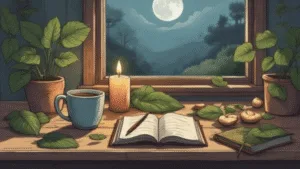
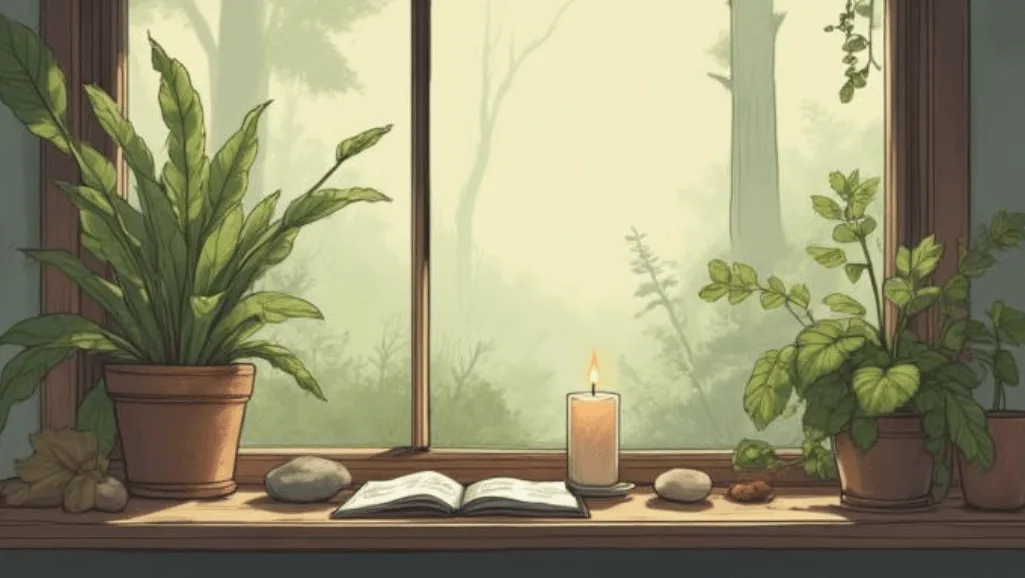
An altar can live almost anywhere. A corner of a shelf, a bedside table, a windowsill, the top of a chest of drawers, or inside a cupboard or box. Some people keep a small altar in a tin or pouch that comes out only when needed. Others use the same surface they drink their morning tea from.
What matters is that the space feels intentional when you use it.
If privacy is important, choose somewhere discreet. If light matters to you, a windowsill might feel right. If you like to sit quietly, a bedside altar can be comforting. There is no correct placement, only what fits your life.
The Basics: What You Actually Need
You don’t need much to begin. In fact, too much can be distracting.
At its simplest, an altar can include one or two items that anchor your intention. A candle to represent focus and presence. A stone, shell, or leaf to connect you to the earth. A small object that feels meaningful or protective.
Many beginners feel pressure to represent every element or tradition straight away. You don’t have to. Your altar can grow slowly, changing as your practice develops. Starting small allows you to notice what genuinely resonates.
Making It Sacred Without Making It Obvious
Sacred doesn’t have to mean dramatic. An altar becomes sacred through use, not appearance.
Lighting a candle with intention. Placing your hands on the surface before you begin. Taking a breath and consciously entering your practice. These small acts transform an ordinary space into a magical one.
If you need your altar to blend into everyday life, that’s perfectly valid. A candle, a plant, and a notebook can look like decor to others, while holding deep meaning for you.
Witchcraft has always survived by being adaptable.
Portable and Temporary Altars
If you move often, share space, or simply prefer flexibility, a portable altar can be ideal. A small box, pouch, or tin containing a candle, matches, and a meaningful item allows you to create sacred space anywhere.
Temporary altars are also useful for specific intentions. You might set one up for protection, reflection, or rest, then pack it away when it’s done. This keeps your practice dynamic and responsive rather than static.
Nothing about magic requires permanence.
Caring for Your Altar
An altar doesn’t need constant attention, but it does benefit from occasional care. Dusting the surface, replacing spent candles, or rearranging items as your focus changes helps keep the energy feeling fresh.
If an altar starts to feel neglected or heavy, that’s often a sign to simplify rather than add more. Remove anything that no longer feels right. Magic thrives on clarity.
Letting Your Altar Evolve With You
Your altar will change over time, and that’s a good thing. Early altars are often simple, practical, and experimental. As you learn more about yourself and your practice, your altar will naturally reflect that growth.
There is no final version. No finished state. Just an ongoing relationship.
A Gentle Reminder for Beginners
If you take nothing else from this, remember this: you are not doing witchcraft wrong if your altar is small, hidden, simple, or temporary.
Your practice exists because of your intention, not your setup.
Sacred space is something you create, not something you buy or copy.
Wherever you live, whatever your circumstances, magic will meet you there.
Supporting Your Altar Practice
If you enjoy working with simple tools to anchor intention, you may like to explore the altar oils, candles, and ritual items in my Etsy shop. Everything there is created with beginners in mind, designed to support everyday practice rather than overwhelm it, and suitable for small, shared, or temporary altar spaces.
🛍️ https://www.etsy.com/shop/LancsGreenWitch
Discover more from Lancs Green Witch
Subscribe to get the latest posts sent to your email.