The History and Meaning of Lammas / Lughnasadh
Celebrating the First Harvest in Witchcraft and Pagan Tradition
Lammas — also known as Lughnasadh — is one of the eight sabbats on the Wheel of the Year and marks the beginning of the harvest season. It’s a time to honour abundance, give thanks for the first fruits of the land, and prepare spiritually for the darker half of the year.
Whether you follow a traditional Wiccan path, practise folk witchcraft, or simply enjoy working with the rhythms of the seasons, Lammas offers a powerful moment to pause, reflect, and reconnect with the earth.
But where does this sabbat come from, and what does it mean for modern witches?
What Is Lammas / Lughnasadh?
Lammas, usually celebrated on 1st August, is the first of the three harvest festivals on the Wheel of the Year, followed by Mabon and Samhain. It’s a time to gather the early grains, fruits, and herbs — and to give thanks for what we’ve received.
The name Lammas comes from “Loaf Mass,” a Christianised term referring to the blessing of bread made from the first wheat harvest. In contrast, Lughnasadh (pronounced Loo-nuh-sah) is rooted in Celtic tradition and honours the Irish sun god Lugh, a warrior, craftsman, and harvest deity.
Lugh is said to have created the festival in honour of his foster-mother Tailtiu, who died clearing the land for agriculture. Traditional Lughnasadh celebrations included games, feasting, and community gatherings — many of which echo through today’s Lammas rituals.
Why We Celebrate Lammas Today
In modern witchcraft, Lammas is about:
-
Gratitude for the abundance we’ve received
-
Harvesting not just crops, but lessons, growth, and magical intentions
-
Honouring the cycle of life, death, and rebirth
-
Preparing for the waning light and turning inward as autumn approaches
It’s a brilliant time to look back at your goals or spellwork from earlier in the year and see what’s blooming — and what might need pruning.
Whether you grow your own herbs, bake your own bread, or just like the idea of eating fresh berries under a full sun, Lammas is a sabbat that invites connection with the land and a deep sense of seasonal rhythm.
Traditional Symbols and Offerings
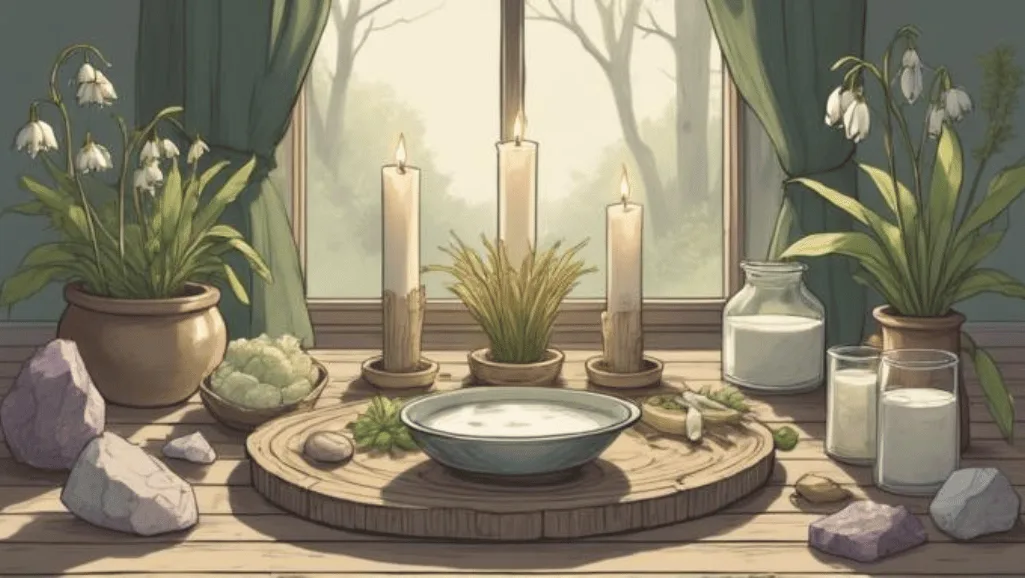
Lammas is rich in earth-centred symbolism. You might work with:
-
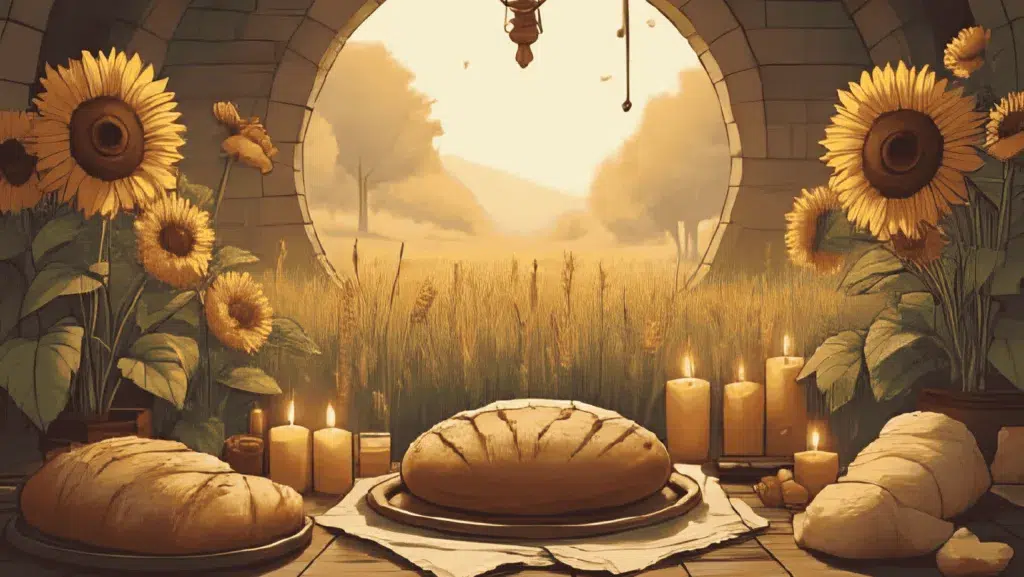
Bread and grains – symbolising nourishment, gratitude, and prosperity
-
Corn dollies – often made from wheat, symbolising the spirit of the harvest
-
Sunflowers and calendula – to honour the sun’s power as it begins to wane
-
Apples, berries, and honey – gifts of nature that honour sweetness and community
-
Sickle, scythe, or boline – tools of harvest and transformation
You can use these on your altar, in rituals, or as offerings during meditation or prayer.
Want to Work Lammas Magic at Your Altar?
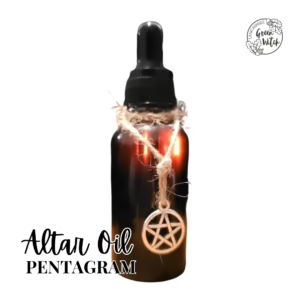
To bring the energy of the season into your space, try working with Lammas Altar Oil — a handcrafted blend made with solar herbs and charged with intentions of gratitude, strength, and abundance.
It’s ideal for:
-
Anointing candles or altar tools
-
Sealing spell jars or petitions
-
Dressing bread or fruit offerings (for symbolic use only — not for consumption)
-
Honouring Lugh or harvest spirits
You can find it in my Etsy shop along with other seasonal oils and ritual tools crafted for witches of all levels.
Final Thoughts
Lammas is more than just a day on the calendar — it’s a reminder to honour what we’ve sown, celebrate what we’ve reaped, and give thanks for the abundance all around us.
Even if you don’t have fields to harvest, you can still mark this sabbat with intention, reflection, and heartfelt magic. Bake a loaf of bread, light a candle, or simply sit with the sun and offer thanks — because the first harvest isn’t just about food. It’s about recognising your growth, your strength, and your sacred place in the turning wheel.
Discover more from Lancs Green Witch
Subscribe to get the latest posts sent to your email.